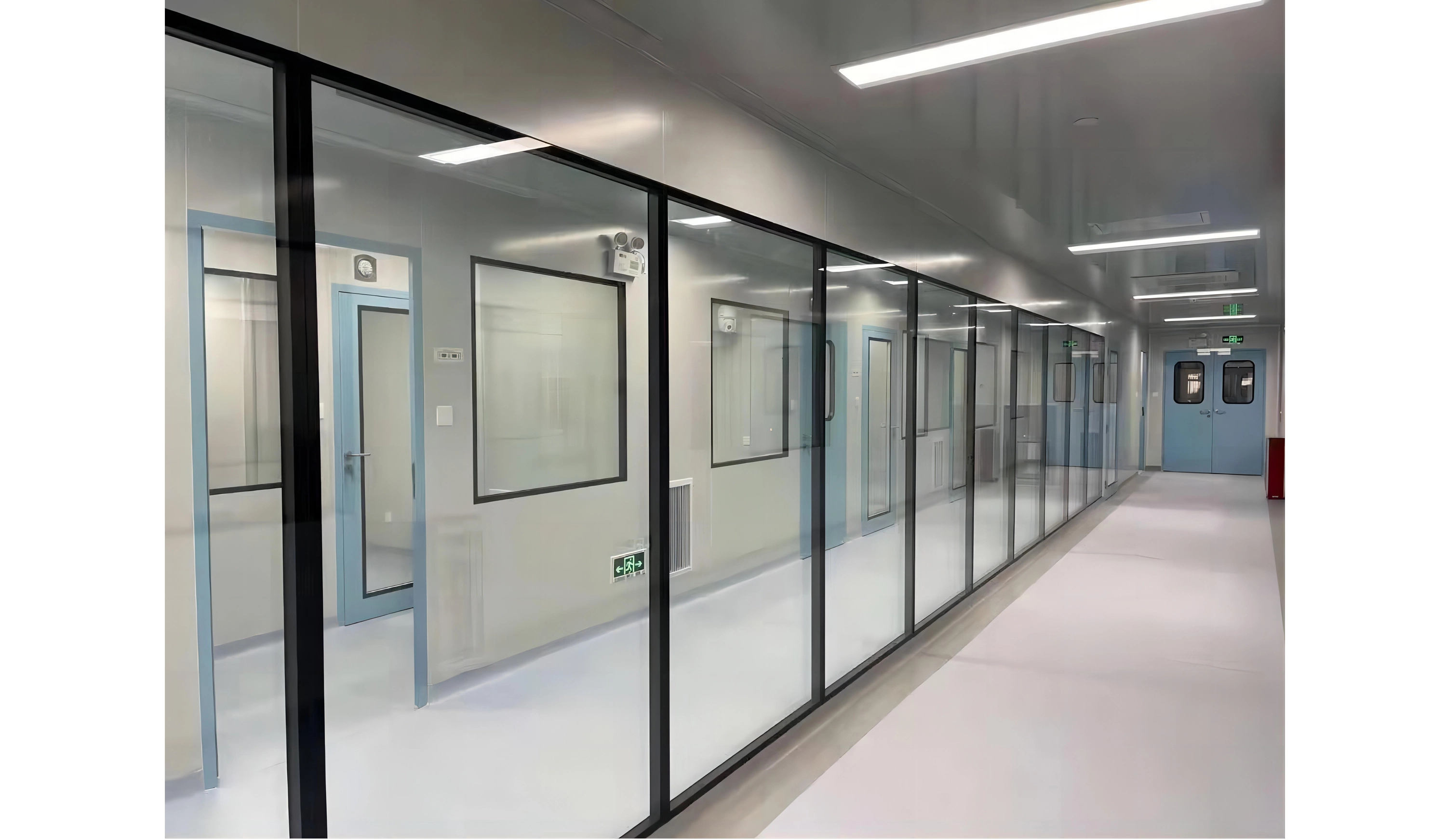
-
-

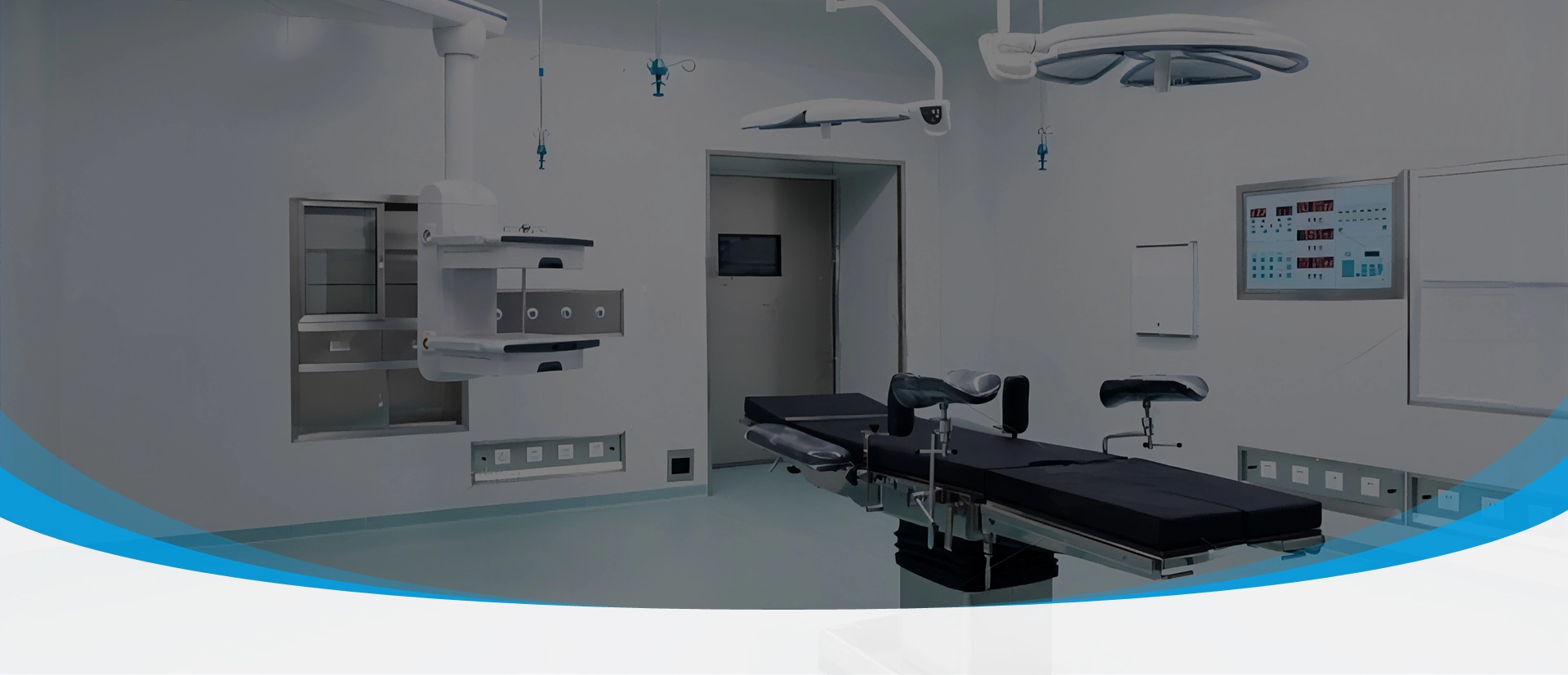
Selecting the right cleanroom wall panels is an important decision for pharmaceutical, biotech, electronics, and industrial projects. Different panel cores provide different characteristics in terms of weight, installation efficiency, fire performance, and application suitability.
EPS, rock wool, and MGO cleanroom wall panels are commonly compared because they represent different approaches to cleanroom construction. However, there is no single panel material suitable for every project. The final choice depends on room requirements, environmental conditions, surface finish, installation method, and integration with other cleanroom components.
A reliable cleanroom wall system should support contamination control, maintenance requirements, and long-term operation rather than focusing only on initial material cost.
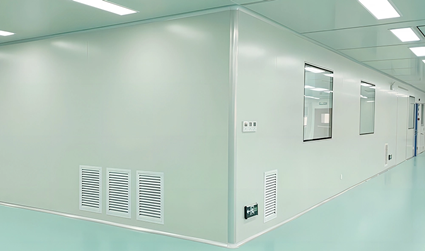
EPS, rock wool, and MGO panels each have different characteristics. For projects using sandwich panel clean room systems, buyers should evaluate the complete wall structure instead of selecting materials only based on initial cost. Factors such as panel core, surface finish, joint design, room classification, and installation conditions all influence the final selection.
| Comparison Factor | EPS Cleanroom Panels | Rock Wool Cleanroom Panels | MGO Cleanroom Panels |
| Core material | Expanded polystyrene | Mineral wool core | Magnesium oxide-based structure |
| Main consideration | Lightweight construction and installation efficiency | Fire-related performance requirements | Rigid and durable wall system |
| Weight | Generally lightweight | Usually heavier due to mineral core | Depends on panel construction |
| Application focus | Projects requiring efficient installation | Projects requiring higher fire performance | Projects requiring specific structural performance |
When selecting cleanroom wall panels, buyers should evaluate the complete system, including panel thickness, surface material, joint design, room classification, and installation requirements.
EPS cleanroom wall panels are often selected for projects where lightweight construction and efficient installation are important factors.
Their lower weight can simplify transportation, handling, and installation during construction. This can help reduce installation complexity for projects where practical construction efficiency is a priority.
However, EPS panels should still be evaluated according to the complete cleanroom requirement. Surface finish, sealing performance, joint connections, and compatibility with doors and ceilings all affect the final performance of the wall system.
Before selecting EPS panels, buyers should confirm environmental conditions, cleanliness requirements, and applicable project standards.
Rock wool cleanroom wall panels are commonly considered for projects where fire-related performance is an important design factor.
Because different facilities have different safety requirements, rock wool panels should be selected according to the complete building specification rather than only the core material.
For pharmaceutical, medical, and industrial applications, the wall system must also meet requirements related to cleanability, surface treatment, sealing, and integration with other cleanroom components.
A suitable cleanroom wall panel system should work together with doors, ceilings, HVAC systems, and equipment interfaces to create a complete controlled environment.
MGO cleanroom panels are considered for projects requiring a rigid and durable wall structure.
Instead of selecting MGO panels only because of their material characteristics, project teams should evaluate the complete panel system, including surface treatment, connection methods, environmental conditions, and compatibility with other cleanroom components.
Cleanroom wall panels are not simply partitions. They form part of the controlled environment and influence installation quality, maintenance efficiency, and overall room performance.
Therefore, MGO panel selection should be based on the actual application, project specifications, and long-term operational requirements.
A complete cleanroom design requires proper coordination between wall panels, doors, windows, and other components.
During the planning stage, buyers should consider panel joints, door openings, window positions, and sealing methods together. Poor integration between these elements may affect installation quality and long-term maintenance.
For example, selecting suitable cleanroom doors and reviewing cleanroom windows together with the wall panel design helps create a more complete cleanroom envelope.
The best cleanroom wall panels are not simply those with the strongest individual material properties. They should match the facility workflow, environmental requirements, and installation conditions.
Before choosing EPS, rock wool, or MGO panels, buyers should define the project requirements clearly.
Important factors include:
Cleanroom application and industry
Room dimensions and layout
Required surface finish
Door and window locations
Environmental conditions
Fire and safety requirements
Installation method and project timeline
A professional supplier can recommend a suitable cleanroom wall panel system based on the complete project scope.
For example, pharmaceutical facilities may prioritize cleanability and controlled environments, while electronics facilities may focus more on contamination prevention and stable production conditions.
Working with an experienced cleanroom solution provider can help buyers confirm panel selection, installation requirements, and project details before production. For customized cleanroom solutions and technical consultation, customers can contact Hospital Door through the inquiry page.
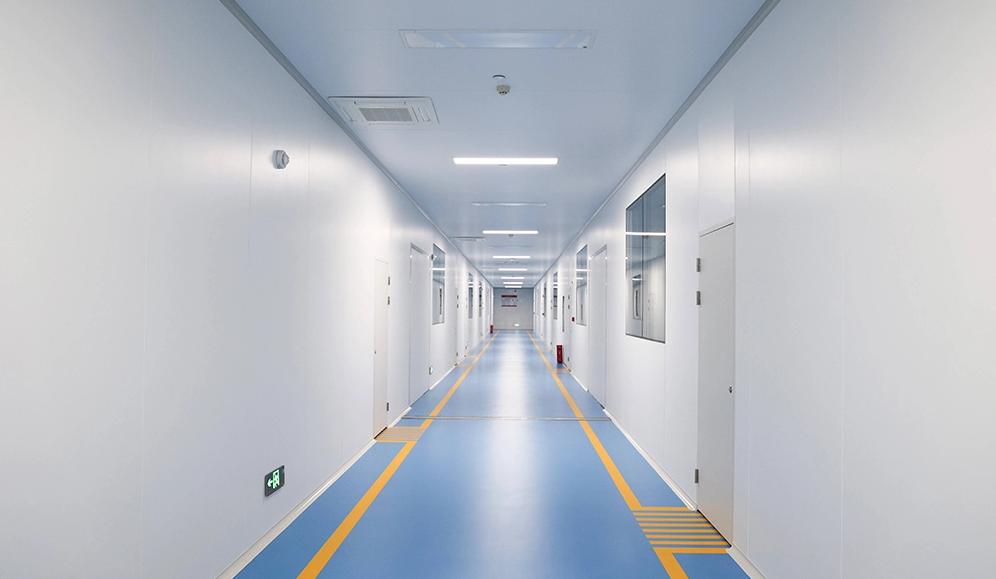
EPS, rock wool, and MGO cleanroom wall panels each have different characteristics, but the right choice depends on specific project requirements.
Selecting suitable cleanroom wall panels requires evaluating materials, installation conditions, surface finish, and integration with other cleanroom components. By defining requirements clearly and selecting the appropriate wall system, buyers can achieve better installation efficiency, easier maintenance, and more reliable cleanroom performance.
There is no single best option for every project. The suitable panel depends on application requirements, environmental conditions, and project specifications.
No. EPS panels can be considered for certain applications when their characteristics match the required environmental and construction requirements.
Rock wool panels are often considered where fire-related performance requirements are an important part of project evaluation.
Yes. Doors, windows, and wall panels should be designed together to ensure proper integration, sealing, and overall cleanroom performance.
Buyers should provide the application, room dimensions, environmental requirements, wall system expectations, door and window locations, and applicable specifications.