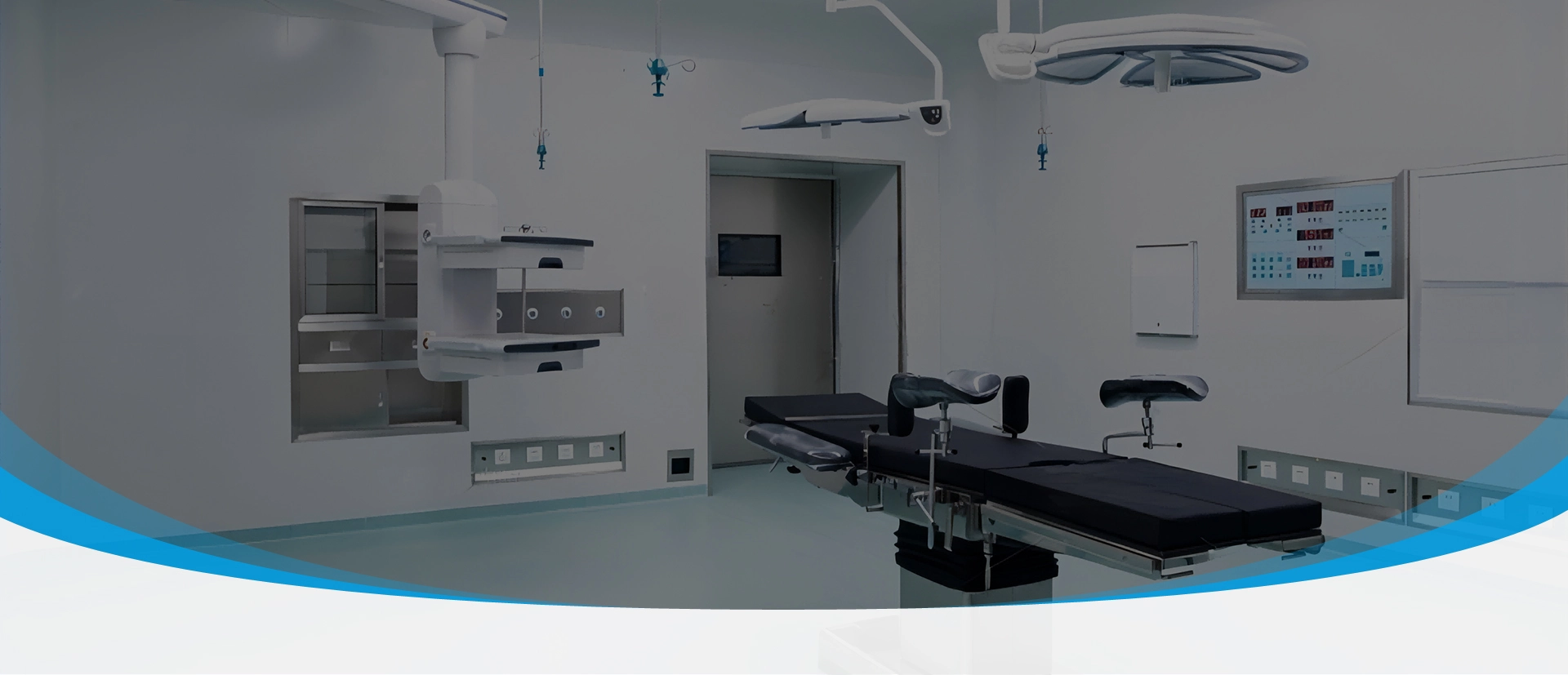
Cleanroom classifications such as "Class 100," "Class 1,000," "Class 10,000," and "Class 100,000" refer to the maximum allowable number of airborne particles per cubic foot (or cubic meter) of air within a cleanroom environment. These classifications are based on standards set by organizations like the International Organization for Standardization (ISO) and the Federal Standard 209E (FS 209E), which specify particle count limits for different cleanliness levels.
Class 100: Indicates a maximum of 100 particles of size 0.5 microns or larger per cubic foot of air. This is considered an ultra-clean environment and is typically used in critical industries such as semiconductor manufacturing and pharmaceutical production.
Class 1,000: Allows a maximum of 1,000 particles per cubic foot of air, with the same size threshold as Class 100. Class 1,000 cleanrooms are commonly used in industries such as biotechnology, aerospace, and optics.
Class 10,000: Permits up to 10,000 particles per cubic foot of air. These cleanrooms are suitable for less critical applications such as some electronics assembly, food processing, and certain medical device manufacturing processes.
Class 100,000: Allows a maximum of 100,000 particles per cubic foot of air. These cleanrooms are used in industries where a lower level of cleanliness is acceptable, such as packaging, some pharmaceutical processing, and some automotive manufacturing processes.
In many cleanroom setups, equipment such as an industrial pass box is installed to transfer materials without contaminating the environment.
Overall, the lower the class number, the stricter the cleanliness requirements and the more stringent the control measures within the cleanroom environment.