-
-

Selecting the right imaging equipment is essential for hospitals, radiology departments, and medical facilities where accurate image review supports clinical decisions. A digital x-ray view box is designed to provide consistent illumination for reviewing radiographic images while fitting into modern diagnostic workflows. Unlike traditional film viewing panels, digital solutions focus on stable lighting performance, energy efficiency, and compatibility with today’s medical environments.
For healthcare planners and procurement teams, choosing an x-ray view box is not only about appearance or size. Key factors such as viewing area, LED performance, material quality, installation space, and configuration options directly influence usability. Understanding each x-ray view box specification helps buyers select a solution that matches their imaging requirements and facility layout.
A digital x-ray view box is used to provide a controlled lighting environment for examining medical images. In radiology departments, operating theatres, consultation rooms, and imaging review areas, medical professionals need clear and stable viewing conditions to analyze radiographic information.
Traditional film viewing systems rely on fluorescent lamps to illuminate physical X-ray films. While they remain common in some facilities, modern healthcare environments increasingly require more consistent and efficient solutions. A digital LED-based view box provides improved light distribution and supports cleaner, more organized imaging areas.
The main purpose of an x-ray view box is to create suitable contrast and brightness for image observation. In clinical workflows, inconsistent lighting can affect the ability to identify details on medical images. Therefore, lighting uniformity and viewing comfort are important considerations when selecting equipment.
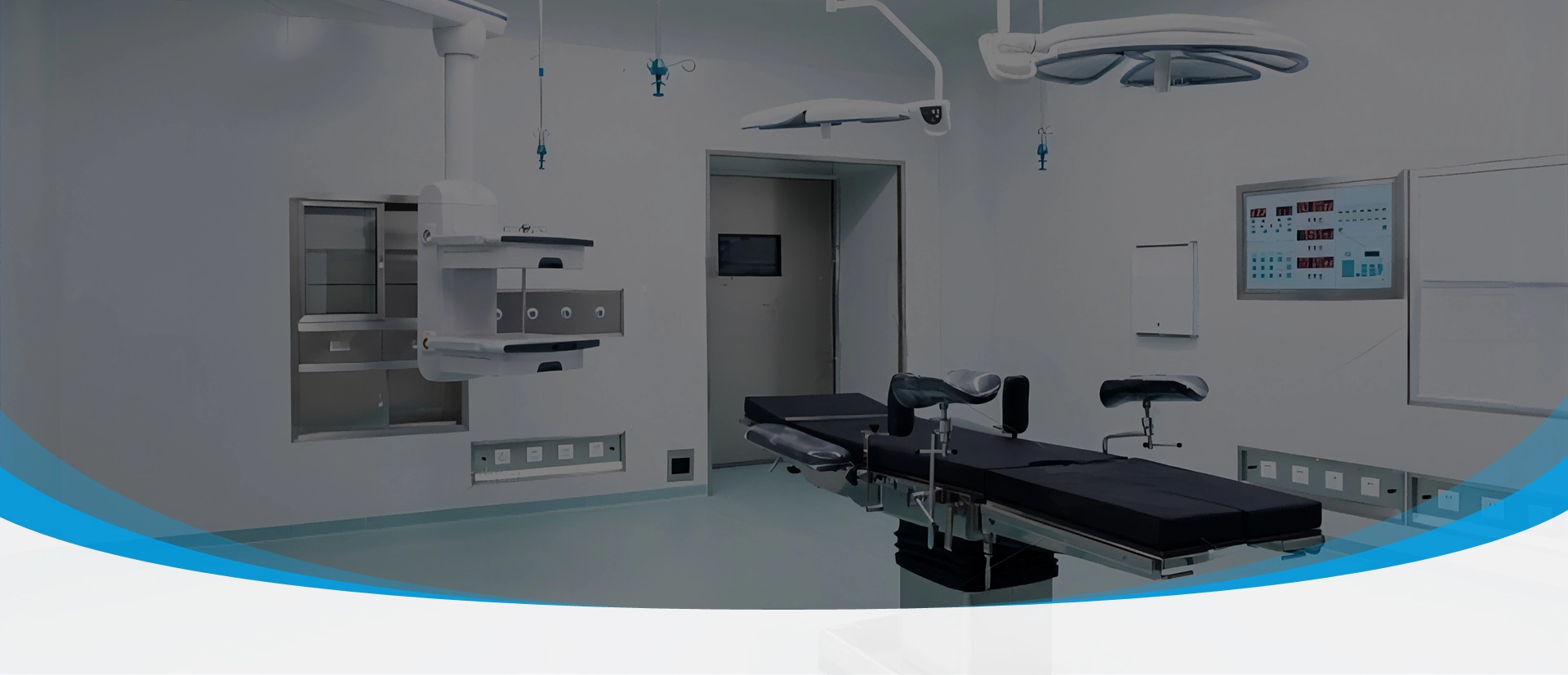
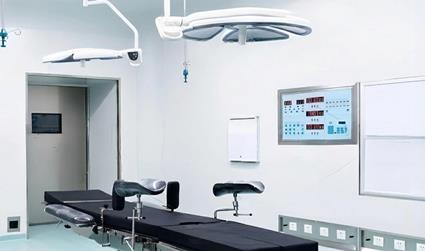
Modern medical facilities may use these systems in operating theatres, radiology departments, and diagnostic rooms where healthcare professionals review images before procedures or during consultations. The right digital x-ray view box should support efficient workflow while maintaining reliable performance over long-term use.
When purchasing an x-ray view box, buyers should evaluate technical specifications rather than focusing only on external design. A suitable system should match the facility’s imaging volume, available installation area, and operational requirements.
The most important x-ray view box specification factors include:
Viewing size
The viewing area determines how many images can be displayed and reviewed comfortably. Larger viewing surfaces are suitable for departments handling multiple images or larger radiographic formats.
Screen quantity
The number of screens affects workflow efficiency. Double, triple, quadruple, and six-screen configurations allow facilities to choose according to their daily imaging review needs.
LED light source
LED technology is widely used in modern medical view boxes because it provides stable illumination, lower energy consumption, and longer service life compared with traditional lighting systems.
Brightness uniformity
Consistent brightness across the entire viewing surface is important for accurate image review. Uneven illumination may reduce viewing comfort and affect image interpretation.
Housing material
Medical environments require durable and easy-to-clean materials. Stainless steel housing is commonly selected because it offers strength, corrosion resistance, and compatibility with healthcare cleaning requirements.
Installation dimensions
The available wall space should be considered before selection. A proper fit ensures easier installation and better integration with the surrounding medical environment.
For example, Feixia X-Ray View Box solutions use stainless steel housing with built-in LED light panels. Available configurations include double-screen models with dimensions of 1000 × 644 × 140 mm, triple-screen models measuring 1360 × 644 × 140 mm, quadruple-screen models at 1000 × 1144 × 140 mm, and six-screen models at 1360 × 1144 × 140 mm.
The correct x-ray view box size depends on image review frequency, available space, and the type of medical workflow. Hospitals should consider whether the equipment will be used for occasional consultation or high-volume diagnostic review.
| Configuration | Best For | Main Consideration |
|---|---|---|
| Double | Small imaging areas | Limited wall space |
| Triple | Routine clinical review | Balance of size and capacity |
| Quadruple | Multiple image comparison | Larger installation area |
| 6-Screen | High-volume review | Maximum viewing capacity |
A double-screen model may be suitable for smaller consultation areas where only a limited number of images need to be reviewed at one time. A triple-screen configuration provides a practical balance for many clinical environments.
Larger facilities with frequent image comparison requirements may prefer quadruple or six-screen systems. These configurations allow medical professionals to review multiple images simultaneously, which can improve workflow efficiency.
When evaluating an x-ray view box specification, buyers should consider future requirements rather than only current usage. Selecting an appropriate configuration can prevent the need for replacement as imaging demands increase.
The installation location directly affects the usability of an x-ray view box. Common applications include operating rooms, radiology departments, consultation rooms, and dedicated image review areas.
In operating theatres, the equipment should be positioned where medical staff can quickly access images without interrupting procedures. In radiology departments, ergonomic placement helps reduce unnecessary movement and improves workflow.
Wall-mounted installation is often preferred because it saves floor space and creates a cleaner working environment. The installation height should allow comfortable viewing for different users, while surrounding lighting conditions should be controlled to reduce reflections and visual interference.
Organizations such as the American College of Radiology emphasize the importance of appropriate viewing conditions, including luminance consistency, cleanliness, and environmental control when evaluating image display quality. A properly installed view box should therefore consider both equipment performance and the surrounding workspace.
Regular cleaning is also important. Dust, fingerprints, and surface contamination may affect viewing quality over time, especially in medical environments with strict hygiene requirements.
The development of LED technology has changed how healthcare facilities approach image viewing equipment. A digital x-ray view box offers several advantages compared with traditional film viewing systems, especially in modern medical environments.
| Factor | Traditional Film Viewing | Digital/LED View Box |
|---|---|---|
| Light source | Traditional lamps | LED |
| Energy efficiency | Lower | Higher potential |
| Maintenance | More frequent | Generally simpler |
| Viewing consistency | Depends on lamp condition | More consistent design potential |
| Space planning | Depends on size | Multiple screen options |
Traditional systems may experience changes in brightness as lamps age, while LED-based systems are designed to provide more stable illumination performance. This consistency makes digital solutions suitable for facilities that require reliable daily operation.
Another advantage of a digital x-ray view box is flexibility. Different screen configurations allow hospitals to optimize wall space and select a design that matches their workflow. This makes digital solutions suitable for both new medical construction projects and renovation applications.
However, selection should still be based on actual clinical requirements. Factors such as image volume, room layout, and installation conditions remain essential parts of the purchasing decision.
Choosing the right x-ray view box specification requires a complete evaluation of size, screen quantity, LED system, material, installation requirements, and future usage needs.
A reliable digital x-ray view box should provide stable illumination, durable construction, and efficient integration into medical workflows. Whether used in operating rooms, radiology departments, or imaging consultation areas, the right configuration can improve viewing efficiency and workplace organization.
Feixia provides double, triple, quadruple, and six-screen X-Ray View Box configurations designed for modular operating rooms and medical facilities. With different size options, stainless steel construction, and LED illumination systems, these solutions can support various healthcare project requirements.
Yes. An x-ray view box can be customized according to installation requirements, including dimensions, screen configuration, and mounting conditions. This helps ensure better integration with existing medical spaces.
The number of images depends on the configuration. Double-screen, triple-screen, quadruple-screen, and six-screen models provide different viewing capacities for various clinical applications.
Yes. Stainless steel is commonly used in healthcare environments because it offers durability, corrosion resistance, and easier cleaning compared with some other materials.
Yes. Regular cleaning helps maintain image visibility and supports hygiene standards in medical facilities. Dust and surface contamination should be removed according to facility maintenance procedures.
Yes. Many modern digital x-ray view box systems can be installed as part of modular operating room solutions, depending on the project design and space requirements.
A quotation request should include required size, number of screens, installation location, material preference, lighting requirements, and any customization needs.