-
-

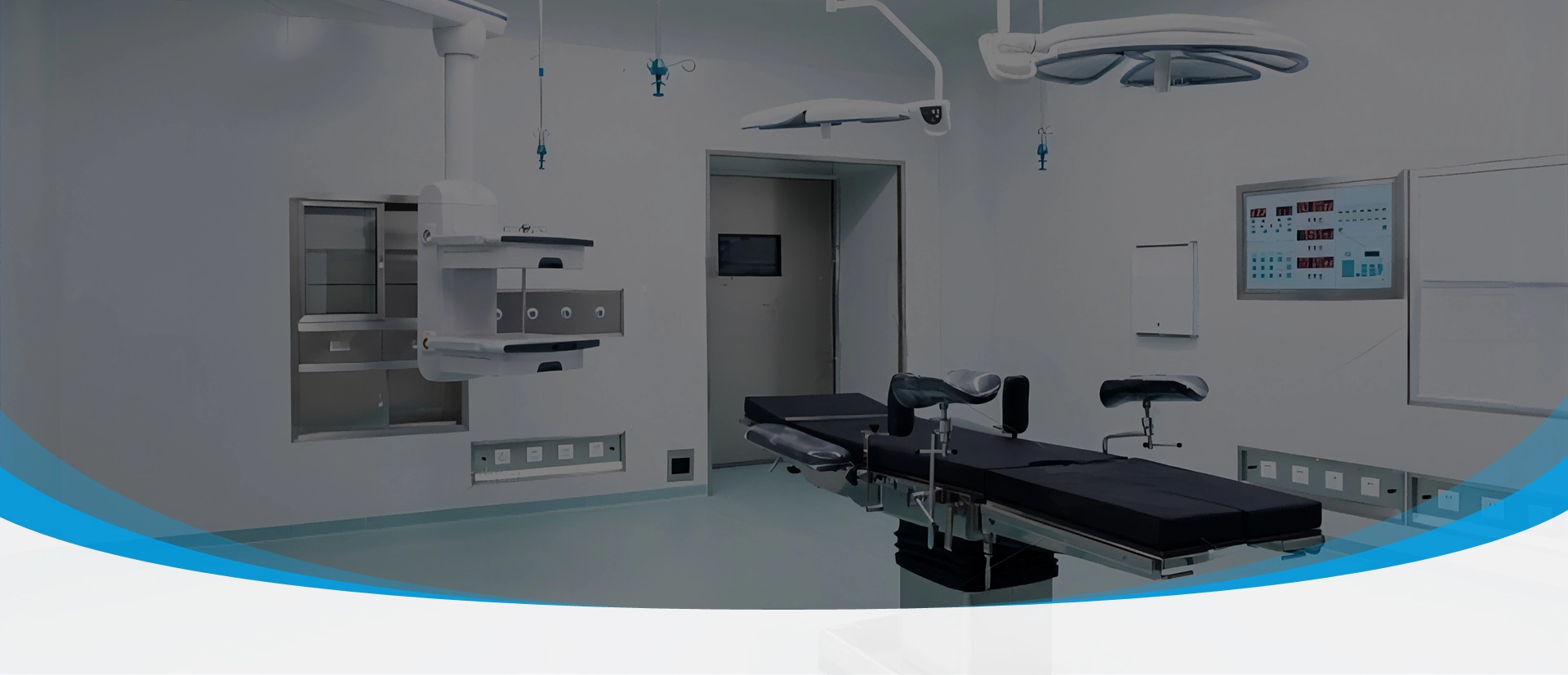
In controlled healthcare environments, maintaining cleanliness is not only about air filtration and room design. The way materials move between different areas also directly affects contamination control. A pass box in OT is designed to support safer transfer of instruments, sterile supplies, and other materials without requiring frequent personnel movement between clean and less-controlled zones.
For hospitals, pharmaceutical facilities, laboratories, and cleanroom projects, selecting the right transfer solution requires more than choosing a standard box size. Factors such as interlock design, material construction, transfer frequency, installation space, and cleanliness requirements all influence performance. Understanding how a cleanroom static passbox or other pass box configurations work helps facility planners make better decisions during design and procurement.
An operating theatre requires strict control over contamination risks, and every movement between areas must be carefully managed. A pass box in OT helps reduce unnecessary personnel traffic by allowing materials to move through a controlled transfer point instead of requiring staff to enter and exit sterile areas repeatedly.
The primary purpose of an ot pass box is not simply transporting items. Its real value is supporting workflow separation between different cleanliness zones. By reducing door openings and human movement, a pass box can help maintain environmental stability in operating theatres and other controlled spaces.
In hospitals, these systems are commonly used between operating rooms, sterile corridors, preparation areas, and storage zones. They can also support applications in CSSD departments, pharmaceutical cleanrooms, and laboratories where material transfer must be carefully managed.
A properly designed pass box in hospital environments should provide smooth operation, easy cleaning, and reliable protection against unnecessary contamination transfer. Features such as interlocking doors prevent both sides from being opened simultaneously, helping maintain separation between clean and less-clean areas.
For modern healthcare facilities, the integration of a pass box is part of a broader workflow strategy. Instead of relying only on room classification and ventilation systems, hospitals also need efficient material movement solutions that support daily operations.
A pass box in hospital applications creates a dedicated pathway for moving materials between areas with different cleanliness requirements. The typical workflow follows a simple principle:
Less-controlled area → pass box → clean area
This approach allows staff to transfer items while reducing direct movement through controlled zones. Common transferred materials include surgical instruments, sterile supplies, consumables, small medical equipment, and laboratory materials.
In an operating theatre environment, an ot pass box can help surgical teams receive necessary items without interrupting sterile workflows. For example, additional instruments or supplies can be transferred through the pass box instead of opening main access doors repeatedly.
The same principle applies in pharmaceutical and laboratory environments. A well-planned material transfer system helps maintain process efficiency while supporting cleanroom management requirements.
When designing a pass box in hospital, buyers should consider the types of materials being transferred, how frequently transfers occur, and the cleanliness level of connected rooms. A small supply transfer system may have different requirements from one used for frequent surgical instrument movement.
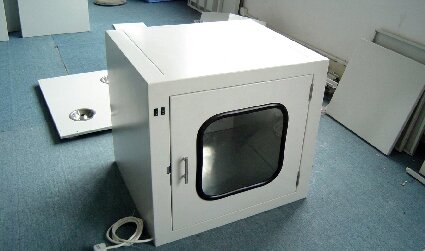
Although different pass box designs are available, selection should be based on cleanliness requirements and workflow conditions. A cleanroom static passbox is generally designed for simpler material transfer applications, while dynamic systems are used where additional contamination control is required.
| Factor | Static Pass Box | Dynamic Pass Box |
|---|---|---|
| Airflow | No dedicated airflow | HEPA-filtered airflow |
| Main use | Lower-risk transfer | Higher cleanliness requirement |
| Complexity | Lower | Higher |
| Power | Usually not required | Required |
| Maintenance | Simpler | Filter/fan maintenance |
A cleanroom static passbox is often suitable for applications where the main goal is separating personnel movement and controlling basic transfer procedures. Dynamic models provide additional airflow control and are typically considered for environments with stricter cleanliness requirements.
The choice between these systems depends on the application rather than the product category alone. Hospitals and cleanroom designers should evaluate room classification, material sensitivity, and operational procedures before selecting a configuration.
For example, Feixia provides pass box solutions with different configurations, including static and electronic interlock options. Dynamic configurations can include electrical systems such as 220V, 50Hz operation depending on project requirements.
Selecting the correct pass box in OT requires careful review of technical specifications. Size, door design, materials, and additional functions all influence whether the equipment can support daily workflows effectively.
Important specifications include:
Transfer chamber dimensions
External installation size
Interlock type
Material construction
Additional sterilization or communication options
For example, Feixia mechanical interlock pass boxes can feature external dimensions of W770 × D680 × H700 mm with an internal chamber size of 600 × 600 × 600 mm. Electronic interlock models can feature external dimensions of W810 × D690 × H730 mm, with the same internal chamber size of 600 × 600 × 600 mm and a power requirement of 220V, 50Hz.
Other available features may include:
5 mm glass viewing window
Galvanized steel or stainless steel exterior
Stainless steel interior surface
Optional UV sterilizer
Intercom system
Roller support system
The internal size should match the materials being transferred. If surgical trays, equipment containers, or laboratory supplies are too large for the chamber, the pass box may become inefficient in daily operation.
Material selection is also important. Stainless steel interiors are commonly preferred because they provide durability and easier cleaning in healthcare and cleanroom environments.
Choosing an ot pass box should start with understanding the actual workflow rather than selecting a standard model. Different applications require different combinations of size, interlock design, and additional features.
| Application | Recommended Configuration | Key Consideration |
|---|---|---|
| Surgical instrument transfer | Electronic or mechanical interlock | Frequent sterile movement |
| Laboratory material transfer | Configuration based on cleanliness level | Contamination control |
| Sterile storage connection | Compact pass box design | Available wall space |
| Pharmaceutical cleanroom | Higher-control configuration | Environmental requirements |
When evaluating a pass box in OT, buyers should consider:
Material size and weight
Transfer frequency
Required cleanliness level
Interlock preference
Available installation space
Electrical requirements
Cleaning and maintenance needs
For example, areas with frequent transfers may benefit from electronic interlocks because they provide controlled door operation. Smaller facilities with simpler workflows may choose mechanical interlock systems for easier maintenance.
A complete evaluation ensures that the selected pass box supports both current operations and future facility requirements.
Selecting the right pass box in OT requires a complete understanding of the application, cleanliness requirements, size limitations, interlock options, material selection, installation conditions, and long-term maintenance needs.
A suitable pass box in hospital environments should improve material transfer efficiency while supporting contamination control strategies. Whether used in operating theatres, cleanrooms, pharmaceutical facilities, or laboratories, the right configuration can help create smoother and safer workflows.
Feixia supplies static and dynamic pass box solutions for hospital modular operating theatres, cleanrooms, pharmaceutical facilities, and biotechnology applications. With different sizes, interlock options, and material configurations, these systems can be adapted to meet different project requirements.
Yes. A pass box in OT can be installed between areas with different cleanliness requirements to support controlled material transfer and reduce unnecessary personnel movement.
Not always. A pass box in hospital projects may use mechanical or electronic interlocks depending on workflow requirements, access control needs, and operational frequency.
The capacity depends on the internal chamber dimensions. A common configuration provides an internal size of 600 × 600 × 600 mm, but larger or customized sizes may be available for specific applications.
Yes. Stainless steel interiors are commonly selected because they are durable, corrosion-resistant, and easier to clean in controlled environments.
Yes. Optional features such as UV sterilizers, intercom systems, and roller supports can be added depending on project requirements.
A pass box should be positioned according to material flow, room classification, access routes, and cleaning procedures. Proper planning helps maintain efficient transfer while supporting contamination control.