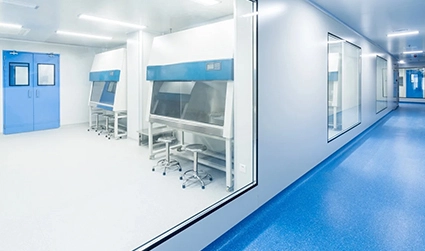
-
-

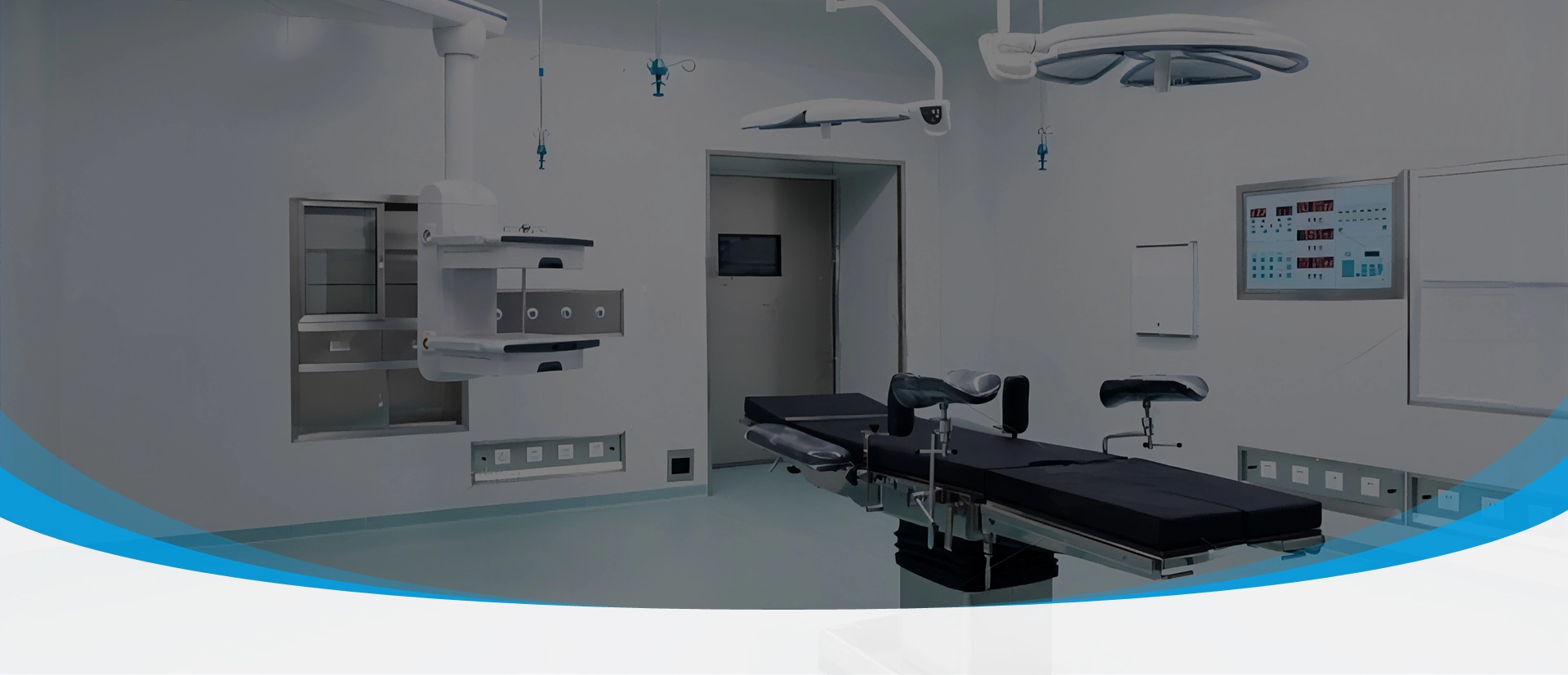
In the rapidly evolving landscape of healthcare infrastructure, the debate between Modular Operating Theatres (OT) and Normal (Conventional) OTs has reached a tipping point. As hospitals strive for higher hygiene standards, faster commissioning times, and technological integration, the modular approach—led by industry pioneers like Dongguan Feixia Industry and Trade Co., Ltd.—is setting new global benchmarks.
But what exactly differentiates a modular OT from a traditional one? This article explores the technical, functional, and structural differences that make modular systems the preferred choice for 21st-century surgery.
The most fundamental difference lies in how the theatre is built. A Normal OT typically uses traditional civil construction, including brick walls with epoxy coating or standard tiles. These are prone to cracks over time, creating breeding grounds for pathogens.In contrast, a Modular OT is a “room within a room.” It utilizes high-grade, prefabricated wall panels—often Stainless Steel Operating Room Wall Panels or powder-coated galvanized steel.
Seamless Integration: Panels are joined with specialized silicone or interlocking systems to ensure a completely flush surface.
Lead Shielding: For hybrid OTs, Lead Doors and lead-lined panels can be seamlessly integrated to provide radiation protection without compromising aesthetics.
Durability: Unlike paint that chips, modular panels from Feixia are resistant to heavy-duty medical disinfectants and physical impacts.
In surgery, the environment is as critical as the surgeon’s skill. The Normal OT relies heavily on manual cleaning of corners and surfaces that may not be perfectly smooth.Modular OTs are engineered for superior Infection Control. The use of coved corners (where the wall meets the floor and ceiling) ensures there are no 90-degree angles where dust can accumulate.
| Feature | Modular Operating Theatre (MOT) | Normal Operating Theatre |
|---|---|---|
| Wall Material | Stainless Steel / Antibacterial HPL Panels | Brick & Mortar with Epoxy Paint |
| Installation Time | 4-8 Weeks (Prefabricated) | 4-6 Months (On-site construction) |
| Hygiene Level | Ultra-high (Seamless, Anti-fungal) | Moderate (Prone to cracks/peeling) |
| Airflow Efficiency | Optimized for Laminar Flow | Often disrupted by structural beams |
| Maintenance | Low (Easy to replace single panels) | High (Requires repainting/resurfacing) |
| Future Expansion | Highly Flexible (Demountable) | Difficult (Requires demolition) |
A modern surgery requires a symphony of technology: OT Control Panels, X-ray View Boxes, and Hospital Stainless Steel Medicine Cabinets.In a Normal OT, installing these components often involves “cutting into” existing walls, which creates debris and compromises the integrity of the cleanroom. In a Modular OT system designed by Feixia, every component is flush-mounted.
The OT Control Panel acts as the brain of the modular suite. It integrates lighting, humidity, temperature, and gas alarms into a single, easy-to-clean interface. This level of integration is rarely achieved in conventional OTs, where controls are often scattered and difficult to calibrate.
For a hospital, time is literally money—and lives. Traditional construction is notorious for delays due to multiple contractors (masons, painters, electricians) working in a non-linear fashion.Feixia’s One-Stop Solution for modular OTs streamlines this process:
Design & R&D: 15+ years of engineering expertise ensures the layout is optimized for workflow.
Manufacturing: Components like Hospital Automatic Sliding Doors and wall panels are manufactured in our 6000 sqm factory.
Installation: Since the components are prefabricated, on-site assembly is quiet, clean, and significantly faster than traditional methods.
Choosing between modular and normal OT is not just about the structure; it’s about the partner you trust. Dongguan Feixia Industry and Trade Co., Ltd. brings over 15 years of production and trading experience to the table.
Comprehensive Product Range: From Medical Carts and Hospital Hand-wash Sinks to complex Overall Operating Room Solutions, we provide everything needed for a turnkey project.
Proven Track Record: With over 200 real project bases, we understand the nuances of international medical standards.
Quality Assurance: Our factory, Xinyi Door Industry, ensures that every Patient Room Door and Clean Room Window meets rigorous durability tests.
While the initial investment in a Modular OT may be higher than a Normal OT, the long-term benefits—reduced infection rates, minimal downtime, and superior technological integration—make it the only logical choice for modern healthcare facilities.Whether you are upgrading an existing hospital or building a new medical center, Feixia’s modular solutions provide the reliability and innovation required to save lives in a controlled environment.