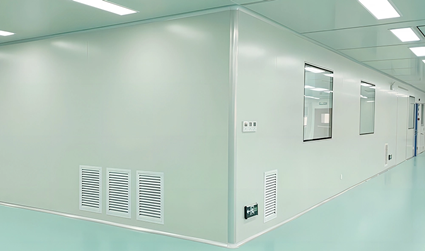
-
-

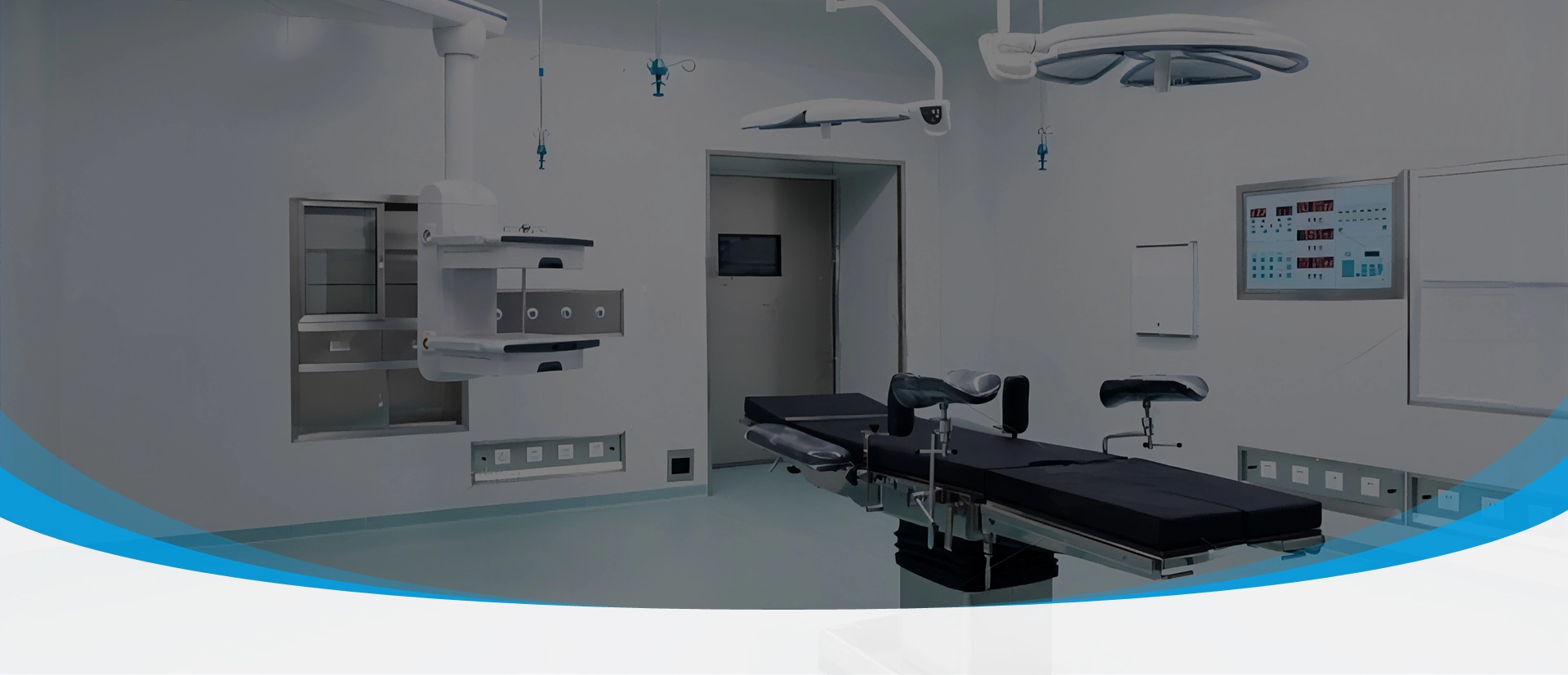
Cleanroom doors are not simply access points between rooms. They are an important part of the controlled environment, affecting contamination control, personnel flow, pressure separation, cleanability, and integration with walls, windows, and transfer systems.
For pharmaceutical, biotech, and electronics facilities, detailed clean room doors specifications should define door construction, dimensions, sealing, hardware, vision panels, wall interfaces, and operating requirements.
Different applications require different door solutions. Pharmaceutical facilities usually focus on hygiene, controlled access, and cleaning procedures, while electronics cleanrooms often prioritize contamination prevention and stable production environments. Clear specifications help suppliers provide suitable products and reduce installation issues.
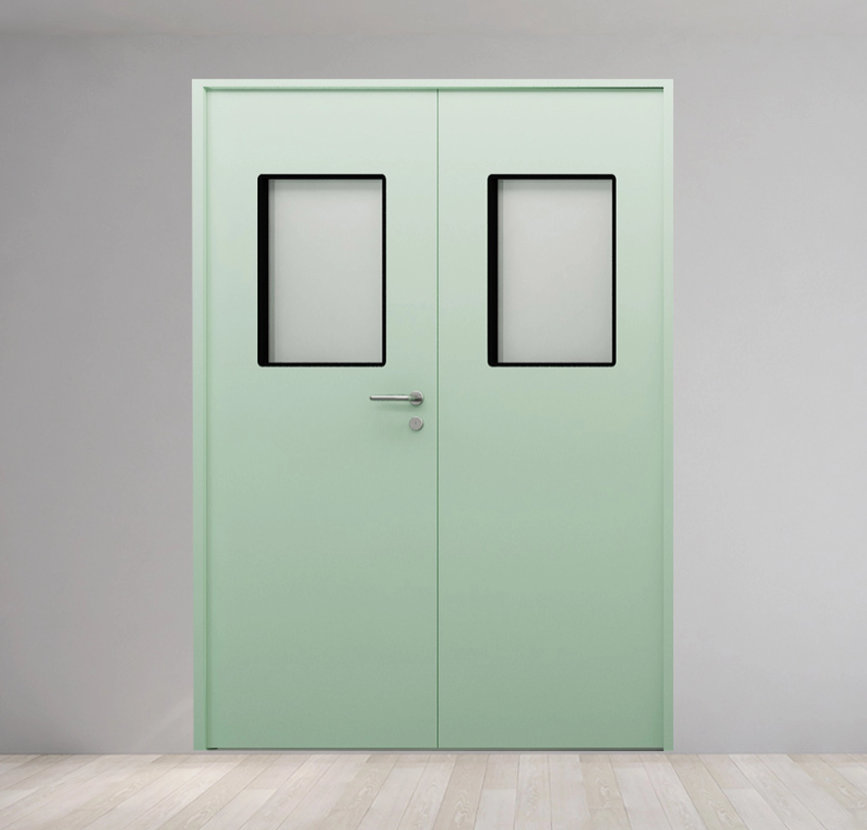
A complete clean room doors specification should explain how the door works within the overall cleanroom environment. Door size alone is not enough because materials, sealing structures, and functions vary depending on the application.
| Specification Item | What Buyers Should Define |
| Door type | Manual, automatic, sliding, swing, or customized design |
| Opening size | Clear width, height, and installation dimensions |
| Door and frame | Material, construction, and surface finish |
| Sealing | Gasket structure and room separation requirements |
| Vision panel | Size, position, and cleanroom compatibility |
| Hardware | Handles, hinges, locks, closers, or operators |
| Access control | Sensors, interlocks, or security functions |
| Wall interface | Wall thickness and panel connection |
Two doors with identical dimensions may require different designs because traffic frequency, cleaning procedures, pressure differences, and access requirements can vary.
For procurement teams, providing detailed clean room doors specifications in an RFQ allows manufacturers to recommend the correct configuration instead of quoting only based on standard dimensions.
Material selection is a key part of cleanroom door specifications because it influences durability, maintenance, and contamination control.
Cleanroom doors should have smooth surfaces that are easy to clean and suitable for the operating environment. The required finish depends on cleaning frequency, chemical exposure, humidity, and traffic conditions.
The door frame and surrounding wall system should also be considered together. A well-designed door leaf cannot perform effectively if the connection between the frame and wall creates gaps or difficult-to-clean areas.
For applications requiring specialized access solutions, a clean room fabric door can be considered according to workflow, sealing expectations, and installation conditions. The final selection should still depend on room classification, traffic frequency, and the specific requirements of the facility.
Sealing performance is an important part of clean room doors specifications because it affects separation between controlled areas.
Gaps around the door leaf, frame, or threshold may influence pressure stability and contamination control, especially when adjacent rooms operate under different pressure conditions.
The required sealing structure depends on factors such as room classification, HVAC design, floor conditions, and door opening frequency. In areas with frequent movement, door operation should be evaluated together with personnel flow to maintain environmental stability.
A cleanroom door should therefore be coordinated with the wall system, room layout, and access sequence. Treating the door as an independent component may create problems during installation and commissioning.
Vision panels improve visibility and allow personnel to check conditions before opening the door. Their size, position, and frame integration should be considered during the design stage.
For projects requiring observation windows, door specifications should be reviewed together with clean room window details to maintain consistency across the cleanroom structure.
Interlocks are commonly used in airlocks, gowning areas, and controlled transfer zones where two doors should not open simultaneously. Hardware requirements, including handles, locks, sensors, and automatic operators, should also be confirmed before production.
A complete specification should clarify whether these components are included with the door or supplied separately by other contractors.
Although cleanroom doors serve similar functions across industries, different facilities have different priorities.
Pharmaceutical facilities usually emphasize cleanability, controlled access, and production zoning. Biotech facilities may require additional consideration for laboratory workflow and material movement. Electronics facilities often focus on contamination prevention and stable manufacturing conditions.
Material transfer should also be planned separately from personnel access. In suitable applications, a cleanroom static passbox can provide a dedicated transfer route and reduce unnecessary door opening.
A complete cleanroom layout should consider personnel movement, equipment flow, material transfer, and door placement together.
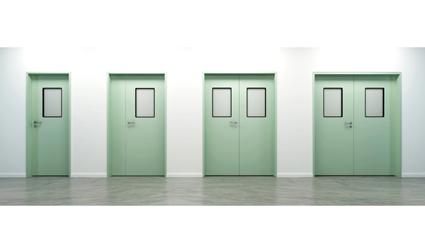
Before requesting a quotation, buyers should prepare:
Door quantity and opening dimensions
Wall thickness and installation conditions
Door type and operation method
Material, finish, and hardware requirements
Access-control or interlock requirements
Providing drawings and application details allows suppliers to evaluate the door as part of the complete cleanroom environment rather than offering a standard product that may not match the project.
Working with an experienced cleanroom door supplier can help buyers confirm technical requirements, installation conditions, and suitable configurations before production. For customized cleanroom door solutions, project consultation, and quotation support, buyers can contact the professional team at Hospital Door through the inquiry page.
Selecting suitable cleanroom doors requires more than choosing a standard size. Proper clean room doors specifications should consider construction, sealing, materials, workflow, access control, and integration with the surrounding cleanroom structure.
Clear technical requirements help pharmaceutical, biotech, and electronics facilities achieve reliable installation, easier maintenance, and better contamination-control performance.
Clean room doors specifications should include dimensions, materials, sealing requirements, hardware, vision panels, access-control functions, and wall interfaces.
No. Interlocks are mainly required where controlled separation between rooms is necessary, such as airlocks and transfer areas.
The door frame must match the surrounding wall system to maintain proper sealing and installation quality.
No. Pharmaceutical, biotech, and electronics facilities may have different requirements depending on cleaning procedures, workflow, contamination risks, and environmental control needs.