-
-

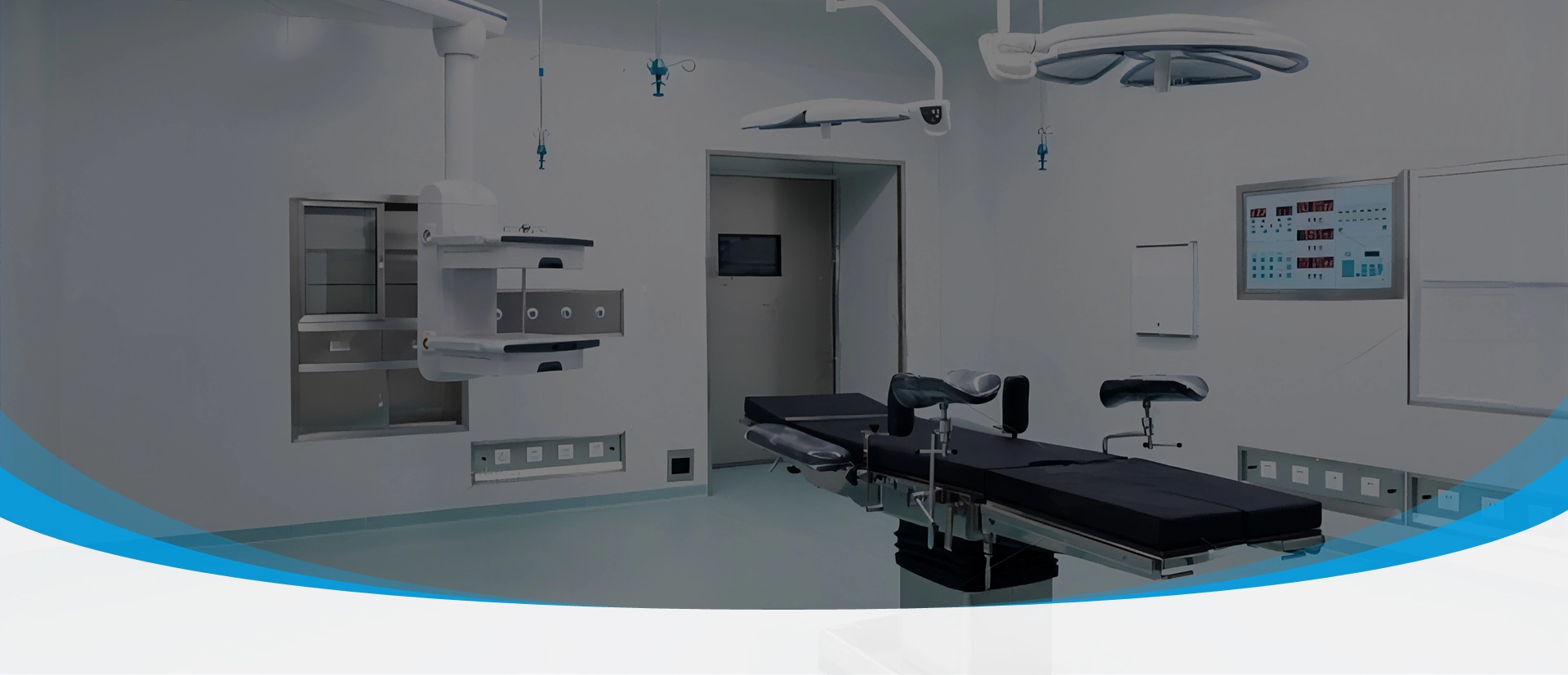
Hospital automatic sliding doors are widely used in operating rooms, patient areas, clean environments, and controlled access zones. However, the final quotation for an automatic sliding door project can vary depending on door configuration, opening size, automation system, access requirements, materials, and installation conditions.
When discussing automatic sliding doors cost, hospitals should understand that there is no fixed price suitable for every project. The final quotation depends on how the door will be used, where it will be installed, and what functions the healthcare facility requires.
Instead of comparing prices based only on the door itself, buyers should evaluate the complete system, including operation method, hygiene requirements, access control, and integration with the surrounding environment.
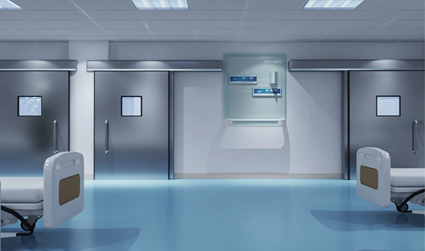
The final automatic sliding doors cost is influenced by several project factors. Hospital automatic sliding doors are not simple entrance products because they often need to support specific workflows, hygiene requirements, and controlled access.
Door size, configuration, automation components, materials, and installation conditions all affect the final quotation. For example, a hospital entrance door may focus on traffic efficiency, while an operating room door may require higher attention to access control and environmental separation.
A detailed project evaluation allows suppliers to recommend a suitable solution based on actual requirements rather than quoting only according to a standard door model.
Door dimensions are one of the key factors affecting project cost. Different hospital areas require different opening sizes depending on patient movement, equipment transportation, and daily traffic flow.
A door installed in a general patient area may focus on convenient access, while a door used in an operating room environment may require additional coordination with workflow, hygiene control, and surrounding systems.
Installation conditions also influence the final solution. Wall structure, available space, opening dimensions, and connection requirements should be confirmed before production.
For hospitals planning room layouts, understanding hospital room door size requirements can help coordinate door selection with room functions and overall facility design.
Accurate measurements and technical drawings during the quotation stage can reduce redesign risks and improve installation efficiency.
Automatic sliding doors include multiple components beyond the door panels. The operating mechanism, sensors, control systems, and optional access functions all influence the final configuration.
Different healthcare areas require different levels of automation. A corridor door may mainly require convenient hands-free operation, while an operating room entrance may require stronger coordination with access control and workflow management.
Common configuration factors include:
Automatic operators and opening mechanisms
Motion and safety sensors
Access control integration
Emergency operation functions
Connection with other building systems
For controlled medical environments, selecting the right operating room sliding door requires evaluating traffic frequency, hygiene requirements, room layout, and integration with the surrounding operating room system.
The selected functions should match the actual application. Adding unnecessary features may increase system complexity, while insufficient functions may affect daily operation.
Healthcare facilities usually have stricter requirements than ordinary commercial buildings. Door materials, surface finishes, sealing structures, and maintenance requirements can influence the final quotation.
In operating rooms, laboratories, and controlled medical areas, doors need to support regular cleaning procedures while maintaining stable operation during repeated use.
The relationship between the door and surrounding structures is also important. Proper integration with walls, access systems, and other components helps maintain the expected environmental performance.
When comparing quotations from different suppliers, buyers should confirm whether specifications are equivalent. Differences in materials, automation functions, installation scope, and included services can significantly affect overall project value.
Automatic sliding doors and swing doors are suitable for different healthcare applications. The correct choice depends on available space, traffic patterns, workflow requirements, and operational expectations.
Sliding doors are often selected where smooth movement, hands-free operation, and efficient space usage are important. They are commonly considered for areas with frequent movement of patients, staff, or equipment.
Swing doors may be suitable for applications where different access methods or space conditions are more appropriate. For hospitals evaluating alternative solutions, hospital double swing doors can also be considered according to room function and project requirements.
The right solution should not be determined only by initial cost. The selected door type should support the daily workflow of the healthcare facility.
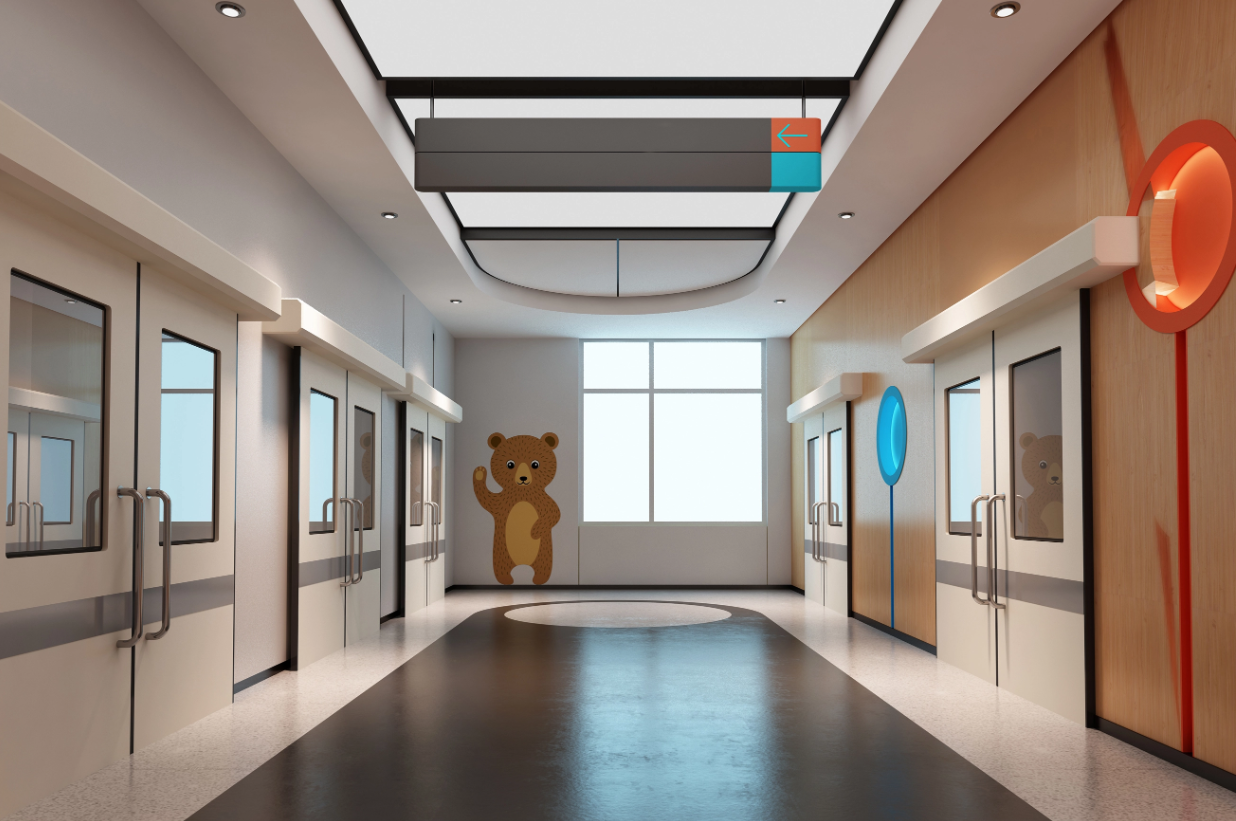
To receive a more accurate quotation, hospitals should provide complete project information, including:
Door opening dimensions and quantity
Installation location and application
Required automation functions
Access control requirements
Wall structure and site conditions
Project schedule and installation expectations
Providing detailed information helps suppliers understand the actual requirements behind the automatic sliding doors cost and recommend a suitable system.
For large healthcare projects, early communication between hospitals, contractors, and suppliers can reduce installation conflicts and improve project coordination.
Working with an experienced hospital door supplier can help buyers confirm technical requirements, select suitable configurations, and reduce uncertainty before production. For customized solutions and quotation support, customers can contact Hospital Door through the inquiry page.
The final automatic sliding doors cost depends on many factors beyond the door itself. Size, configuration, automation systems, access control, hygiene requirements, and installation conditions all influence the quotation.
Understanding these factors helps hospitals compare solutions more effectively and select a system that matches operational needs. By providing complete project information and working with experienced suppliers, healthcare facilities can develop reliable automatic sliding door solutions for different medical environments.
The cost varies because hospital projects have different requirements for door size, automation functions, materials, access control, and installation conditions.
Buyers should provide door dimensions, quantity, installation location, required functions, and project conditions.
Yes. Automatic sliding doors can be used in operating rooms when the selected configuration meets workflow, hygiene, and access requirements.
Not always. The final cost depends on door configuration, materials, automation level, installation requirements, and project conditions.
Hospitals can reduce unnecessary costs by clearly defining project requirements and selecting only the functions needed for the specific application.