-
-

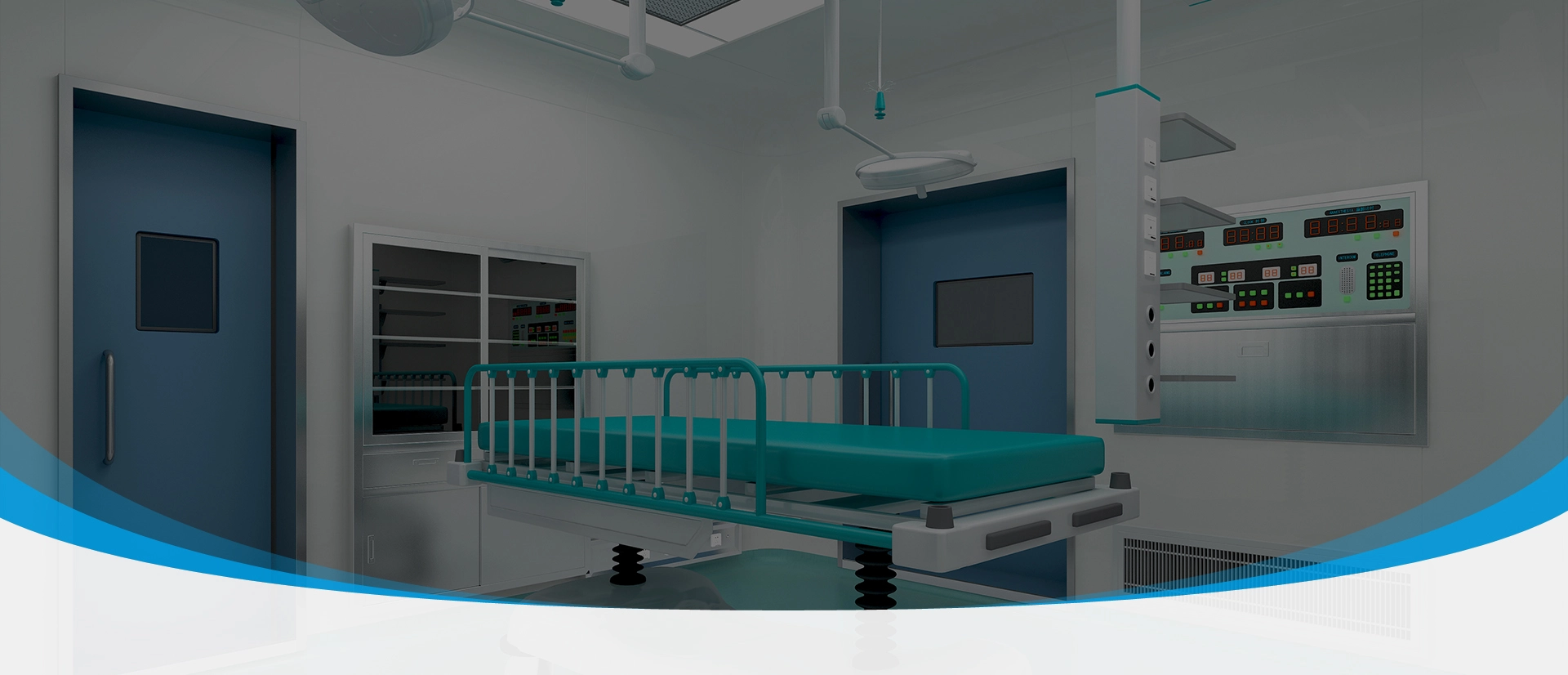

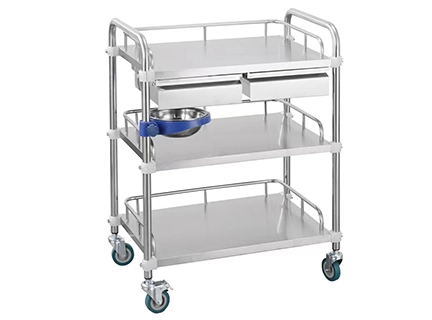
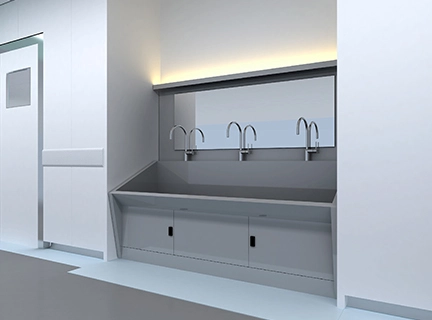
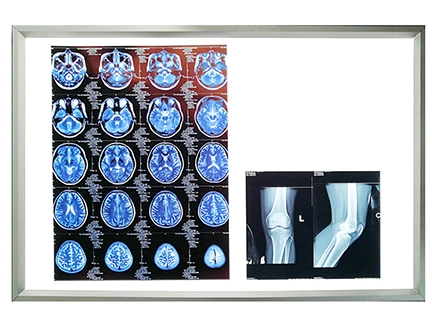
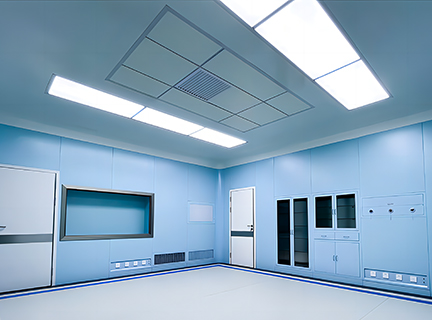
These modular OT are prefabricated units that are built off-site and assembled in the hospital. They are designed with standardized components, making installation easier and faster. Their walls, ceilings and floors are usually made of antibacterial and easy-to-clean materials, such as stainless steel or specialty plastics.
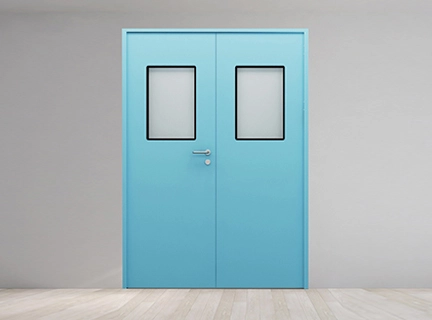
Constructed using traditional on-site construction methods. They can take longer to build and often involve more design and layout customization. The materials used may vary but usually include concrete, bricks and mortar. The design must also consider hospital-specific features like hospital room door size to ensure accessibility and compliance.
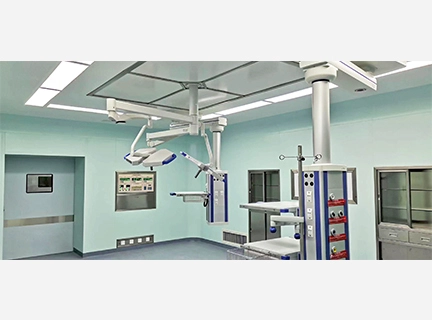
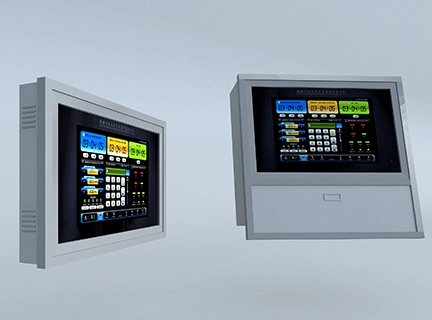
These operating rooms are designed with flexibility in mind and can be easily expanded or reconfigured as needed. Additional modules can be added or removed relatively quickly, making it suitable for hospitals with fluctuating needs. The modular design often includes integration with equipment such as a high-quality ot control panel series for better workflow.
Although modifications can be made, they usually require more time, effort, and expense than modular operating theatre systems. Changes in layout or expansion may disrupt operations and require more extensive construction work.
Generally, modular operating room system are more cost-effective and time-efficient than traditional operating rooms. The prefabricated nature of the modular units reduces construction time and labor costs. They also often come with standardized equipment and features, further streamlining the process.
Due to the custom nature of the design and construction process, these operating rooms may involve higher upfront costs and longer construction times. However, long-term maintenance costs may vary depending on the materials used and design considerations.
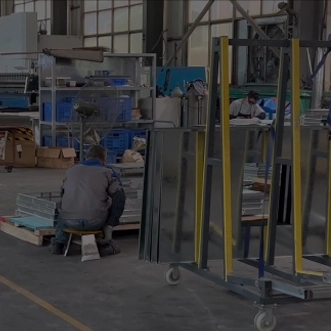
Modular operating room accessories manufacturers like Feixia adhere to strict quality control standards during the production process of modular operating room systems. This ensures consistency and reliability in terms of structural integrity, cleanliness and functionality.
Quality may vary depending on the expertise of the construction team, materials used, and compliance with building codes and standards. Quality control may require more supervision throughout the construction process.
Hospital modular OT are typically designed with ease of maintenance in mind, using materials and surfaces that are resistant to corrosion and bacterial growth. Cleaning and servicing equipment may be simpler due to standardized layout and design.
Maintenance requirements may vary depending on the materials used and the complexity of the design. Certain features, such as complex HVAC systems or specialized flooring, may require more attention and resources to maintain.
Modular operating rooms are prefabricated off-site and can be deployed faster than traditional construction methods. This rapid deployment is particularly useful in emergency situations or when immediate expansion of surgical facilities is required. The modular units can be quickly adapted with components like an ot pass box to facilitate safe transfer of materials without contamination.
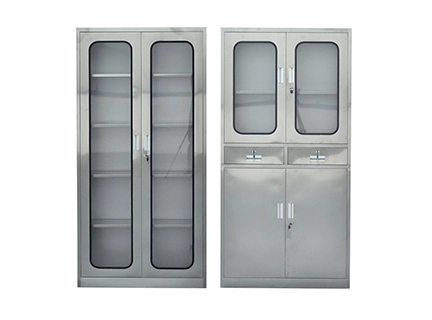
The hospital modular OT can be easily expanded or reconfigured as needed. Additional modules can be added or removed relatively quickly, allowing the hospital to adapt to changing needs without the need for extensive construction work. This adaptability also extends to furnishing, where hospital cabinets for sale can be incorporated to meet specific storage needs.
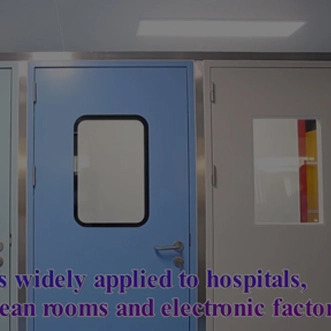
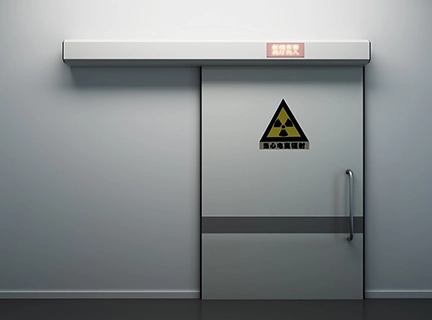
The prefabricated nature of modular operating rooms reduces construction time and labor costs. Additionally, standardized designs and components may lead to economies of scale in manufacturing and procurement. The inclusion of user-friendly features, such as operating room sliding doors, further streamlines operations and reduces overhead.
The hospital modular OT is manufactured in a controlled factory environment ensuring consistent quality and compliance with industry standards. Quality control measures are implemented throughout the production process, resulting in a reliable and durable structure.
Although modular operating rooms have standardized components, they offer a range of customization options to meet the specific needs of a healthcare facility. Hospitals can choose from a variety of layouts, equipment configurations and finishes to create an operating room that matches their preferences and requirements.
The hospital modular OT use special materials with antibacterial properties that can be used to enhance infection control measures.
Since most of the manufacturing work takes place off-site, on-site disruption is minimized, allowing hospitals to maintain continuity of patient care.
Modular operating theatre construction typically produces less waste and consumes fewer resources than traditional construction methods. Additionally, modular components can be reused or repurposed, contributing to the sustainability of the healthcare industry.